Get Directions



7 Best Alternatives to Dental Implants
If dental implants aren’t right for you, there are excellent alternatives. From dental bridges to veneers, each option offers unique benefits. Consult with your local dentist to find the best solution for restoring your smile and dental function.
If you’re missing one or more teeth, dental implants are often recommended as a long-term solution. However, they might not be the best option for everyone due to various reasons such as medical conditions, financial constraints, or personal preferences. Fortunately, there are several effective alternatives to dental implants. As a dentist in Coweta, I want to share with you the seven best alternatives to consider.
1. Dental Bridges
Types of Dental Bridges
Dental bridges are a common and effective solution for replacing missing teeth. They consist of one or more artificial teeth anchored by crowns on the adjacent natural teeth. There are three main types:
- Traditional Bridges: The most common type, supported by crowns on both sides of the missing tooth.
- Cantilever Bridges: Used when there are adjacent teeth on only one side of the missing tooth.
- Maryland Bridges: Supported by a metal or porcelain framework bonded to the back of adjacent teeth.
Benefits of Dental Bridges
- Cost-effective: Generally less expensive than implants.
- Quick Procedure: This can be completed in a few visits.
- Aesthetically Pleasing: Modern materials ensure a natural look.
2. Dentures
Types of Dentures
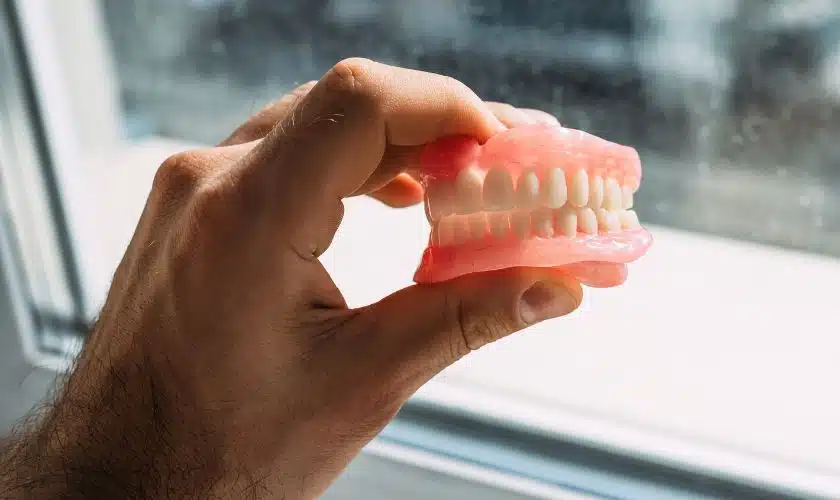
Dentures are removable appliances that can replace missing teeth and surrounding tissues. They come in two main types:
- Complete Dentures: Used when all teeth are missing in either the upper or lower jaw.
- Partial Dentures: Used when some natural teeth remain.
Benefits of Dentures
- Versatility: Suitable for multiple missing teeth.
- Non-invasive: No need for surgery.
- Adjustable: Can be adjusted or replaced as needed.
3. Dental Crowns
How Dental Crowns Work
Dental crowns are caps placed over damaged or decayed teeth to restore their shape, size, and function. They are typically used when the tooth structure is still present but weakened.
Benefits of Dental Crowns
- Strength and Durability: Made from materials like porcelain, metal, or ceramics, crowns provide robust protection.
- Aesthetic Appeal: Can be matched to the color of your natural teeth.
- Functional Restoration: Improves chewing and speaking abilities.
4. Resin-Bonded Bridge
What is a Resin-Bonded Bridge?
Also known as a Maryland bridge, a resin-bonded bridge involves a false tooth held in place by a metal or porcelain framework that is bonded to the back of the adjacent teeth.
Benefits of Resin-Bonded Bridges
- Minimally Invasive: Requires less preparation of the adjacent teeth compared to traditional bridges.
- Preservation of Natural Teeth: Less reduction of natural teeth structure.
- Cost-effective: More affordable than many other options.
5. Removable Partial Dentures
How Removable Partial Dentures Work
These dentures consist of replacement teeth attached to a gum-colored plastic base connected by a metal framework. They are used when some natural teeth remain.
Benefits of Removable Partial Dentures
- Flexible Solution: Easy to remove for cleaning and adjustments.
- Affordable: Generally less costly than fixed solutions.
- Preservation of Remaining Teeth: No need to alter adjacent teeth.
6. Dental Veneers
What Are Dental Veneers?
Veneers are thin shells of porcelain or composite resin that cover the front surface of teeth to improve their appearance. They are primarily used for aesthetic enhancement but can also be an option for minor tooth replacement.
Benefits of Dental Veneers
- Natural Look: Mimic the light-reflecting properties of natural teeth.
- Stain-resistant: Porcelain veneers are resistant to staining.
- Minimally Invasive: Require less enamel removal than crowns.
7. Flipper Dentures
What Are Flipper Dentures?
Flipper dentures are temporary partial dentures made from acrylic. They are typically used as a temporary solution while waiting for a more permanent option.
Benefits of Flipper Dentures
- Quick and Affordable: These can be made quickly and are cost-effective.
- Temporary Solution: Ideal for interim use while awaiting permanent treatment.
- Non-invasive: No need for surgery or significant dental work.
Choosing the right alternative to dental implants depends on various factors including the number of missing teeth, overall dental health, and budget. Each option has its unique benefits and can provide effective solutions for restoring your smile and functionality. As a dentist, I encourage you to schedule a consultation to discuss these options in detail and determine the best course of action for your individual needs.