Get Directions




7 Common Misconceptions About Endodontics
Are you afraid of the word “root canal”? Do you think that endodontics is a painful and unnecessary procedure? Well, it’s time to debunk those common misconceptions about this vital aspect of dental care. Endodontic treatment can save your natural teeth and prevent further damage to your oral health. In this blog post, we will explore seven common misconceptions about
Are you afraid of the word “root canal”? Do you think that endodontics is a painful and unnecessary procedure? Well, it’s time to debunk those common misconceptions about this vital aspect of dental care. Endodontic treatment can save your natural teeth and prevent further damage to your oral health. In this blog post, we will explore seven common misconceptions about endodontics and reveal the truth behind them.
What is Endodontics?
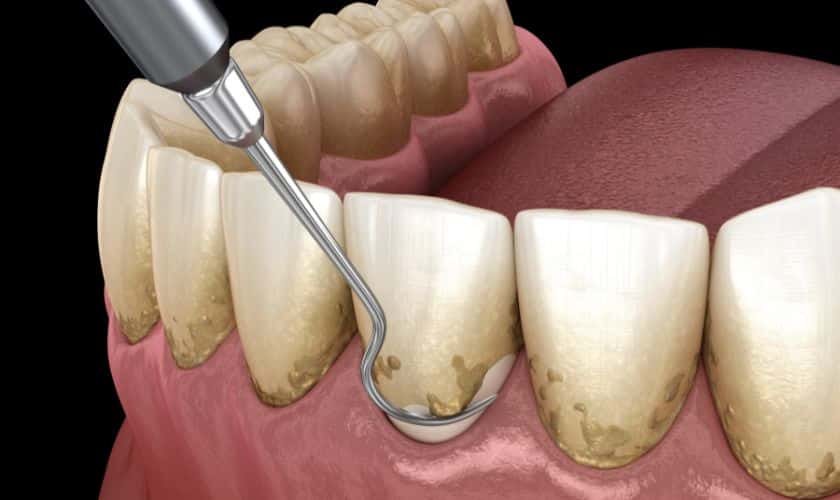
Endodontics is a branch of dentistry that focuses on the inside of teeth. This specialty deals with diagnosing and treating dental problems that affect the pulp or nerve tissue located in the center of each tooth. The most common endodontic procedure is root canal therapy, which involves removing infected or damaged pulp and replacing it with a filling material.
This type of treatment may be necessary when a tooth becomes inflamed, infected, injured, or decayed. Symptoms such as pain, sensitivity to temperature changes, and pressure may indicate the need for endodontic intervention.
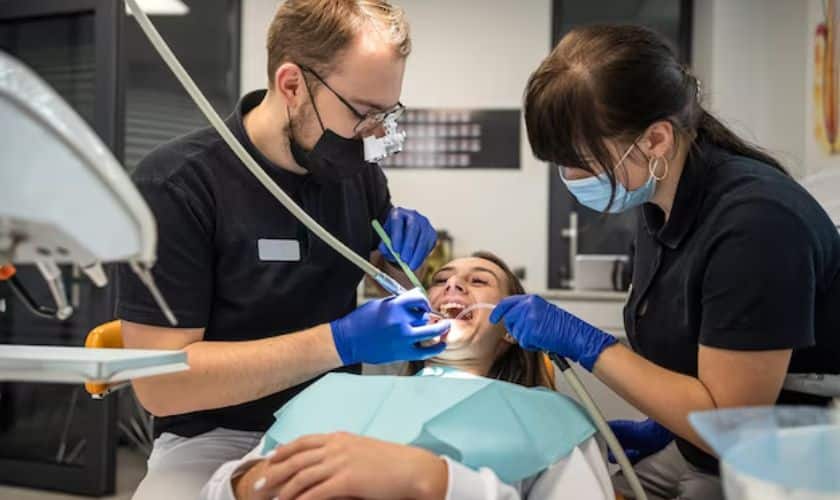
Endodontists are highly trained dental professionals who specialize in this type of treatment. They complete two additional years of schooling beyond dental school to gain expertise in performing complex root canal procedures.
Many people mistakenly believe that endodontic treatment is painful and unpleasant. However, modern techniques and anesthesia make these procedures no more uncomfortable than getting a routine filling done at your dentist’s office.
Common Misconceptions of Endodontics
Endodontics is a dental specialty that deals with the diagnosis and treatment of problems related to the tooth pulp, which is the soft tissue inside the tooth. Unfortunately, there are many misconceptions about endodontics that may prevent people from seeking necessary treatments or cause unnecessary anxiety. Here are 7 common misconceptions about endodontics:
1. Root canal treatment is painful: Many people believe that root canal treatment is extremely painful but in reality, modern techniques have made it virtually painless.
2. Extraction is always better than root canal: While extraction may appear less expensive at first glance, it can lead to more complications in the long run such as bone loss and shifting of teeth.
3. Endodontic treatments take too much time: With the advanced technology used today by endodontists, most procedures can be completed within one or two appointments.
4. The procedure causes illness: This misconception originated from poorly designed studies conducted nearly a century ago; recent research shows no correlation between root canals and systemic diseases.
5. Only severely damaged teeth require a root canal: Even minor decay or damage can expose tooth pulp leading to infection; prompt action can save your natural tooth through an inexpensive and effective procedure like root canal therapy.
6. A crown will protect my treated tooth permanently: Crowns do provide added protection but regular oral care including brushing and flossing still remains important for the overall health of our mouth.
7. Tooth extraction leads to fewer future dental visits than a root canal does: missing teeth often result in additional issues such as drifting neighboring teeth requiring new fillings, crowns, etc; keeping our natural teeth healthy helps us avoid these issues.
The Truth About Endodontics
The truth about endodontics is that it is a dental specialty that focuses on treating the inside of teeth. This includes the pulp, which contains nerves and blood vessels. The most common treatment associated with endodontics is root canal therapy, but there are other procedures involved as well.
One common misconception about endodontics is that it’s painful. However, this couldn’t be farther from the truth. Endodontists use local anesthesia to numb the area before performing any procedure, making sure patients experience minimal discomfort during treatment.
Another misconception is that root canals cause illness or disease elsewhere in the body. There has been no scientific evidence linking root canal therapy to any systemic diseases.
It’s also important to note that endodontic treatments have high success rates and can often save an infected or damaged tooth from extraction. In fact, saving natural teeth through endodontic treatments is one of the main goals of this specialty.
It’s crucial for patients to understand how vital their oral health care routine plays a role in preventing future problems requiring endodontic attention. Regular check-ups with your dentist can help catch potential issues early on before they become severe enough to warrant more extensive treatment.
Why Endodontics is Important?
Endodontics is important because it helps save teeth from extraction and preserves the natural structure of your mouth. When a tooth is infected or damaged, the pulp inside can become inflamed and cause pain. Endodontic treatment removes this damaged pulp and prevents further infection, saving the tooth from being extracted.
Without endodontic treatment, an infected tooth can lead to serious dental problems such as abscesses, bone loss, and even systemic infections that affect other parts of the body. Endodontics not only saves teeth but also protects overall health by preventing these complications.
Endodontists are highly trained specialists who have expertise in diagnosing and treating complex cases that general dentists may not have experience with. They use state-of-the-art technology such as digital imaging to accurately diagnose problems before they progress into more severe issues.
Moreover, root canal therapy has come a long way in recent years with advancements in techniques and materials making it less invasive than ever before. Many patients report minimal discomfort during or after their procedure due to modern anesthesia practices.
Summary
To sum up, endodontics is a crucial field of dentistry that plays a significant role in preserving our natural teeth. Unfortunately, there are many misconceptions surrounding this dental specialty which can keep people from receiving the care they need.
By debunking these seven common myths and learning the truth about endodontics, we hope that you now have a better understanding of what it entails. If you’re experiencing any pain or discomfort in your teeth, don’t hesitate to seek out an endodontist who can provide expert care and help save your smile. Remember: by taking good care of your oral health and staying informed about the latest advancements in dental technology – including root canal treatment – you can prevent tooth loss and maintain healthy teeth for life!