Get Directions



Dental Implants: Procedure, Benefits, And Aftercare
Are you missing one or more teeth? Do you feel self-conscious when smiling or speaking in public because of it? Dental implants may be the solution you’ve been looking for! Not only do they offer a natural-looking replacement for your missing tooth, but they also provide long-lasting benefits that can improve your overall oral health. In this article, we’ll discuss
Are you missing one or more teeth? Do you feel self-conscious when smiling or speaking in public because of it? Dental implants may be the solution you’ve been looking for! Not only do they offer a natural-looking replacement for your missing tooth, but they also provide long-lasting benefits that can improve your overall oral health. In this article, we’ll discuss what dental implants are, how the procedure works, the benefits they offer, and aftercare guidelines to ensure a successful outcome. Read on to discover everything you need to know about dental implants!
What is a dental implant?
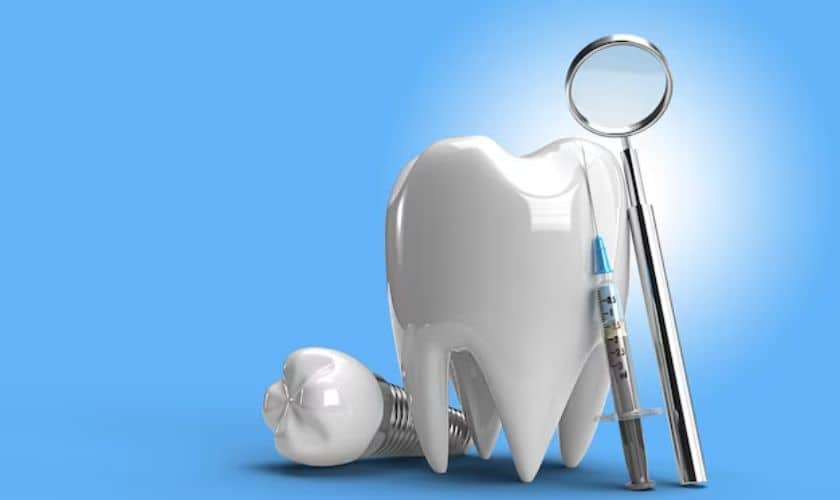
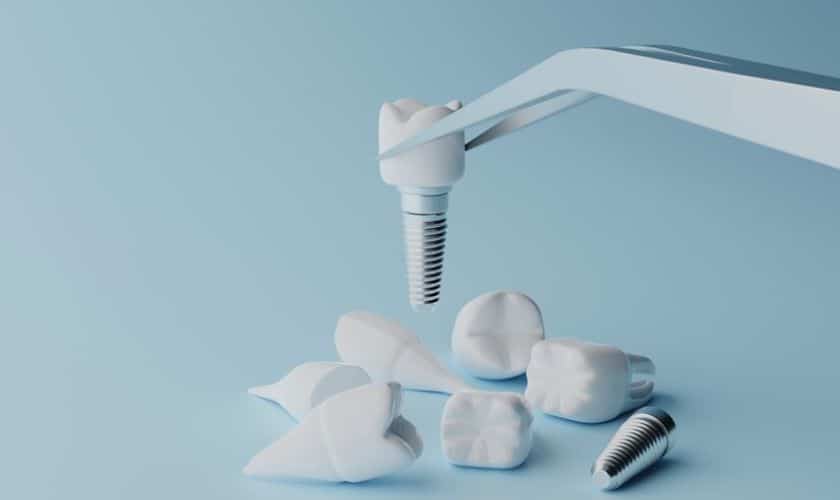
A dental implant is a surgical component that serves as an artificial tooth root. It’s made of titanium, which is biocompatible and allows for natural osseointegration within the jawbone. The purpose of a dental implant is to provide support for a replacement tooth or bridge.
The procedure involves surgically placing the implant into the jawbone, where it functions as an anchor for a prosthetic tooth. Dental implants offer numerous benefits over traditional dentures, such as improved speech, easier eating and drinking, better oral health, and increased confidence in one’s appearance.
There are two main types of dental implants: endosteal implants and subperiosteal implants. Endosteal implants are placed directly into the bone, while subperiosteal implants sit on top of the bone but under the gum line.
Dental implant surgery typically requires several appointments with your dentist or oral surgeon to ensure proper placement and healing time. While not everyone may be eligible for this procedure due to certain medical conditions or lifestyle factors like smoking, those who do choose to undergo it can enjoy long-lasting results that improve their quality of life.
How does a dental implant procedure work?
Dental implants have revolutionized the field of dentistry by providing a long-lasting and effective solution for missing teeth. The procedure involves implanting an artificial tooth root into the jawbone, which fuses with the bone over time to provide a solid foundation for a replacement tooth or bridge.
The first step in a dental implant procedure is an initial consultation with your dentist. During this appointment, your dentist will examine your mouth and take X-rays to determine if you are a good candidate for the procedure.
If you are deemed eligible, the next step is to prepare your mouth for surgery. This may involve extracting any remaining damaged teeth or performing bone grafts to strengthen weak areas of the jawbone.
Once your mouth is ready, the dental implant can be placed into your jawbone through minor surgery. The implant itself is typically made from titanium, a strong and biocompatible material that has been used successfully in medical procedures for decades.
After placement of the implant, there will be some healing time required before proceeding further with attaching abutments and crowns to it. Your dentist will monitor your progress throughout this phase of treatment to ensure that everything heals properly without complications.
While getting dental implants requires several stages and appointments spread out over several months, it offers long-term benefits such as improved oral health and restoring one’s overall smile aesthetics
What are the benefits of dental implants?
Dental implants are an excellent alternative for people who have lost their natural teeth. They offer various benefits that make them a popular choice for tooth replacement. Here are some of the advantages of dental implants:
1) Improved Appearance: Dental implants look and feel like real teeth, making them an ideal choice to improve your appearance.
2) Enhanced Comfort: Unlike dentures, which can be uncomfortable and cause gum irritation, dental implants fuse with your jawbone over time, providing increased comfort.
3) Better Functionality: With dental implants, you can eat all types of food without worrying about discomfort or slippage, as they function like natural teeth.
4) Durability and Longevity: Implants can last a long time if well-maintained. With proper care, they may even last a lifetime!
5) Improved Oral Health: Dental implants do not require adjacent teeth to be altered or damaged in any way during installation, leading to better oral health overall.
In summary, there are numerous benefits associated with choosing dental implants over other forms of tooth replacement. From improved functionality to enhanced appearance and overall oral health – it’s easy to see why so many patients choose this option!
What are the aftercare guidelines for a dental implant?
After getting a dental implant, it is important to take proper care of the area for successful healing. The aftercare guidelines for a dental implant are simple but crucial to ensuring that your new teeth stay healthy and strong.
Firstly, avoid eating or drinking anything hot until the numbness from the anesthesia wears off completely. This will prevent accidental burns or injuries to the mouth. You should also avoid smoking or using tobacco products, as they can slow down the healing process and increase the risk of infections.
In addition, practice good oral hygiene by brushing twice daily with a soft-bristled toothbrush and fluoride toothpaste. Flossing once per day is also important for removing any food particles stuck between teeth that could cause gum irritation or infection around your implant.
It’s essential to attend regular check-ups with your dentist to ensure that everything is healing properly and there are no complications. They may recommend additional cleaning techniques, such as antibacterial mouthwash or interdental brushes specific to implants.
Following these aftercare guidelines diligently will help you achieve long-lasting success with your dental implant while preventing any complications from arising.
Summary
To sum up, dental implants are a fantastic solution for those who have missing teeth or need to replace damaged ones. Thanks to the latest technology, this procedure is now safer and more effective than ever before.
By following the aftercare guidelines provided by your dentist, you can ensure that your dental implant heals properly and lasts for many years. Remember to maintain good oral hygiene habits such as brushing twice daily and flossing regularly.
If you’re considering getting a dental implant, talk with your dentist about whether it’s right for you. With proper care and maintenance, a dental implant can improve your overall health and restore confidence in your smile.