Get Directions



Is It Painful to Get Veneers?
Getting dental veneers is generally painless, with only mild discomfort or sensitivity during the procedure. Local anesthesia ensures comfort, and any post-procedure sensitivity is usually temporary. Veneers provide a beautiful smile with minimal discomfort, making them a popular cosmetic dentistry option.
When considering cosmetic dentistry options, dental veneers often top the list for those looking to transform their smiles. They offer a quick and effective way to correct issues such as discoloration, chipped teeth, or gaps. However, one common concern people have before getting veneers is whether the procedure is painful. Understanding what to expect during the veneer process can help ease any anxieties and allow you to make an informed decision.
The Veneer Procedure: What to Expect
To understand whether getting veneers is painful, it’s important to know what the procedure entails. The process typically involves three main steps:
1. Consultation and Planning
During your initial consultation, your dentist will discuss your goals and evaluate your teeth to determine if veneers are the right option for you. They will also explain the procedure, address any concerns, and take impressions of your teeth to create a customized treatment plan.
2. Preparation
Once you’ve decided to proceed with veneers, the next step is to prepare your teeth. This involves removing a small amount of enamel from the front surface of the teeth that will receive the veneers. The amount of enamel removed is usually minimal, about the thickness of the veneer itself, to ensure a natural fit.
The removal of enamel is done under local anesthesia, so you shouldn’t feel any pain during this part of the procedure. However, some patients may experience slight discomfort or sensitivity after the anesthesia wears off, but this is generally mild and temporary.
3. Placement
After your teeth are prepared, your dentist will take impressions of your teeth to send to the dental lab where your custom veneers will be made. This process may take a few weeks, and temporary veneers may be placed in the meantime.
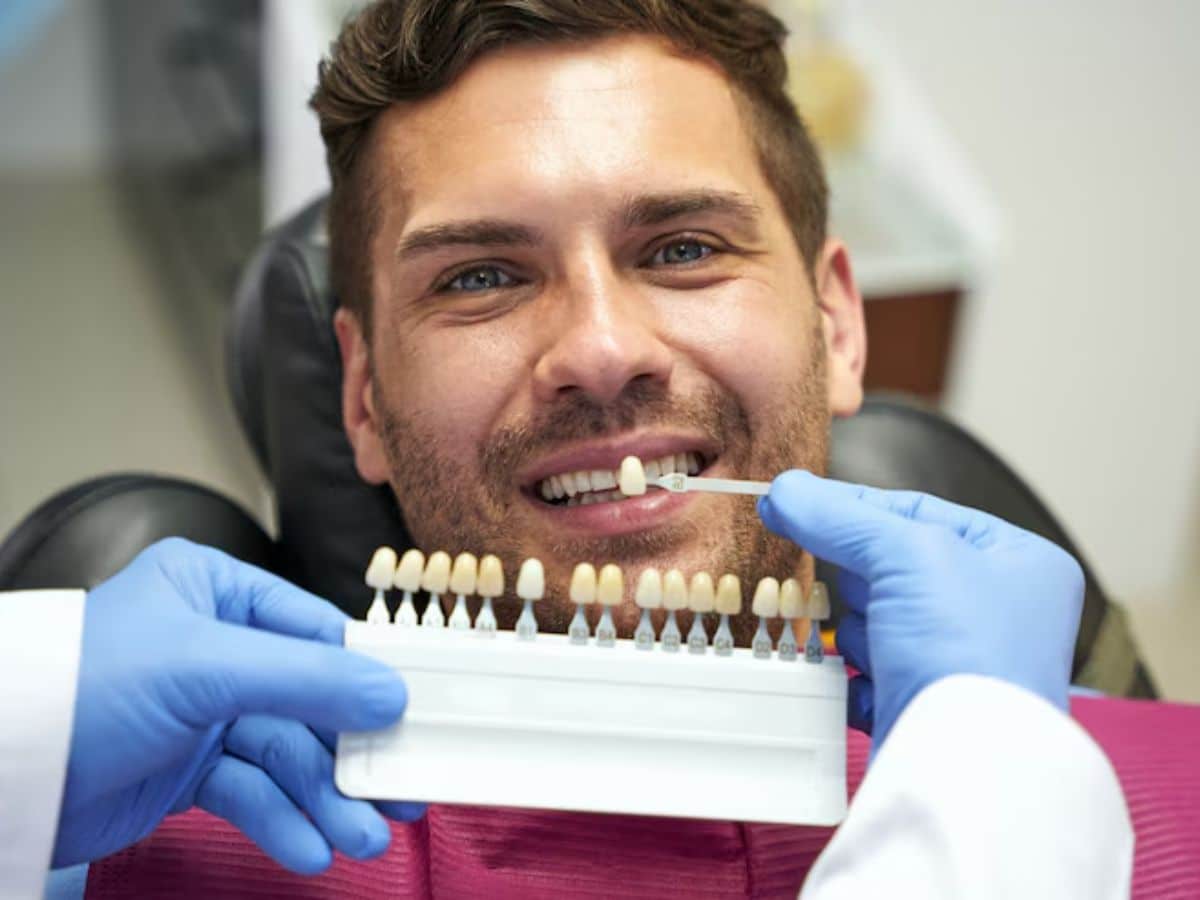
Once your permanent veneers are ready, your dentist will place them on your teeth to check the fit and color. If everything looks good, the veneers will be bonded to your teeth using a special adhesive and curing light. The bonding process is usually painless, and the result is a beautifully enhanced smile.
Is There Pain During or After the Procedure?
The most common question people have about veneers is whether the procedure is painful. The good news is that getting dental veneers is generally not painful. Here’s what you can expect during and after the procedure:
1. During the Procedure
As mentioned earlier, the preparation stage involves removing a small amount of enamel, which is done under local anesthesia. The anesthesia ensures that you won’t feel pain during this step. Most patients report feeling little to no discomfort during the entire procedure.
2. After the Procedure
Some patients may experience mild tooth sensitivity after the enamel is removed or once the veneers are placed. This sensitivity is usually temporary and can be managed with over-the-counter pain relievers or sensitivity toothpaste.
It’s also possible to experience slight discomfort or a feeling of tightness as you get used to your new veneers. This sensation should subside within a few days.
3. Long-Term Comfort
Once your veneers are in place and you’ve adjusted to them, they should feel completely natural. In fact, many people find that their veneers feel just like their natural teeth. There’s no ongoing pain associated with veneers, and they require no special care beyond regular brushing, flossing, and visits to your dentist.
Tips for a Comfortable Veneer Experience
If you’re still concerned about potential discomfort, here are a few tips to ensure a comfortable experience when getting veneers:
1. Communicate with Your Dentist
If you’re anxious about the procedure or have a low pain tolerance, be sure to discuss this with your dentist. They can take extra steps to ensure your comfort, such as using additional anesthesia or sedation options.
2. Follow Post-Procedure Care Instructions
Your dentist will provide you with specific instructions on how to care for your teeth after getting veneers. Following these instructions can help minimize any discomfort and ensure a smooth recovery.
3. Consider Temporary Veneers
If you have to wait for your permanent veneers, temporary veneers can protect your prepared teeth and reduce sensitivity.
In summary, getting dental veneers is a straightforward and generally painless procedure. Thanks to advances in cosmetic dentistry, you can achieve a stunning smile with minimal discomfort. While you may experience some temporary sensitivity or mild discomfort, most patients find the process to be well worth it for the long-term benefits. If you’re considering veneers, talk to your dentist to learn more about what to expect and how to ensure a comfortable experience.
With the right care and attention, dental veneers can provide you with a beautiful, natural-looking smile that lasts for years to come.