Get Directions




How Long Does Composite Bonding Take?
Composite bonding is a quick, versatile cosmetic dentistry procedure that typically takes 30 to 60 minutes per tooth. It involves applying and sculpting a tooth-colored resin to enhance your smile, with minimal preparation and immediate, natural-looking results.
Composite bonding, also known as dental bonding, is a popular procedure in cosmetic dentistry. It is known for its effectiveness in repairing minor dental imperfections and enhancing the overall appearance of your smile. If you’re considering this treatment, one of your first questions might be: How long does composite bonding take? In this blog, we’ll delve into the details of the procedure, what to expect, and how long the process typically takes.
What is Composite Bonding?
Composite bonding is a cosmetic dentistry technique that involves applying a tooth-colored composite resin to your teeth. This resin can be molded and shaped to correct various dental issues, such as chips, cracks, gaps, and discoloration. The primary goal of composite bonding is to improve the aesthetics of your teeth and, consequently, your smile.
Benefits of Composite Bonding
1. Quick and Painless: One of the major advantages of composite bonding is that it is a minimally invasive and relatively quick procedure.
2. Cost-Effective: Compared to other cosmetic dentistry options, dental bonding is generally more affordable.
3. Versatile: Composite bonding can address a variety of dental issues, making it a versatile solution.
The Composite Bonding Procedure
1. Initial Consultation
The first step in the composite bonding process is an initial consultation with your dentist. During this visit, you will discuss your dental concerns and goals. Your dentist will examine your teeth to determine if you are a suitable candidate for dental bonding. This appointment typically takes about 30 to 60 minutes.
2. Preparation
Unlike some other dental procedures, composite bonding requires minimal preparation. Usually, there is no need for anesthesia unless the bonding is being used to fill a decayed tooth. In such cases, your dentist might use a local anesthetic to ensure your comfort.
Steps to the Bonding Process
1. Surface Preparation: The dentist will start by roughening the surface of the tooth and applying a conditioning liquid. This helps the bonding material adhere better to the tooth.
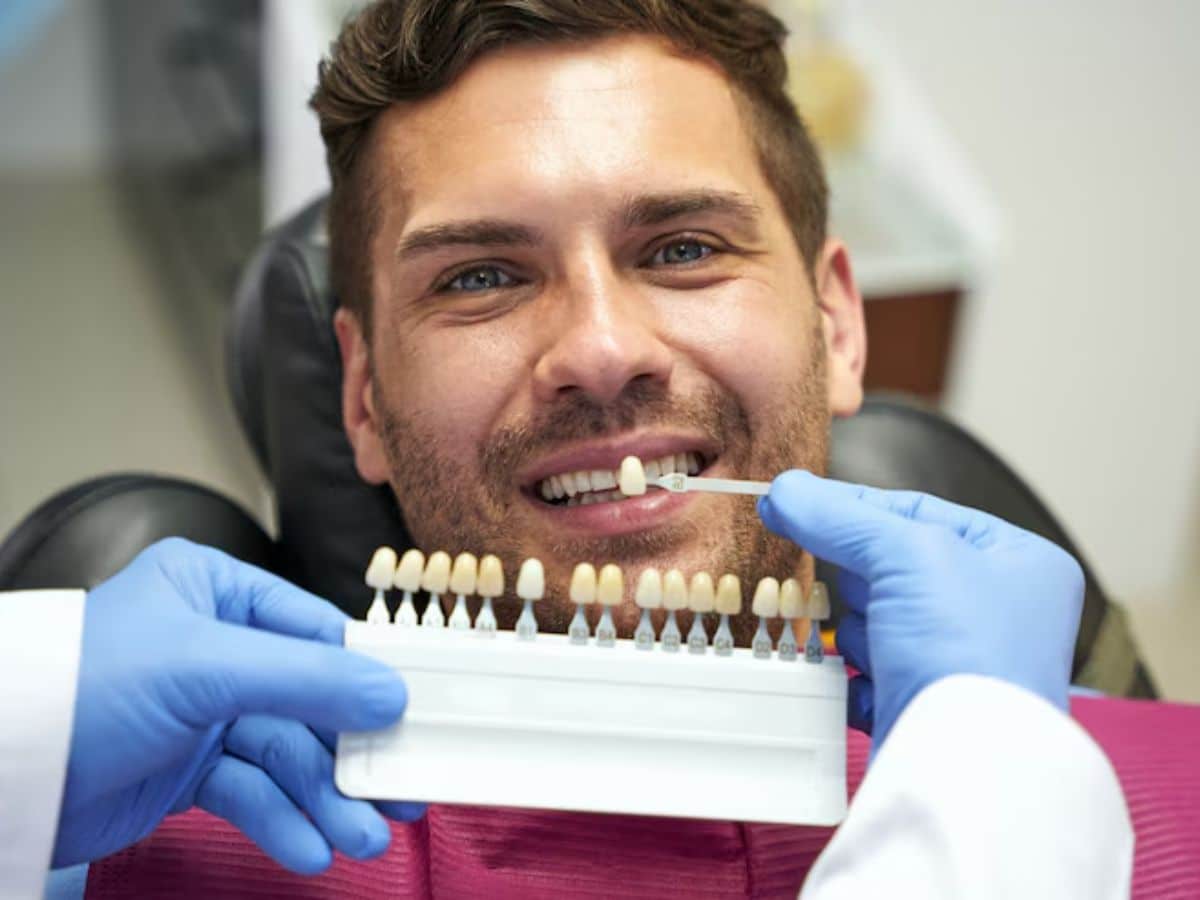
2. Application of Composite Resin: The dentist will then apply the tooth-colored composite resin. The resin is carefully selected to match the color of your natural teeth.
3. Shaping and Sculpting: Once the resin is applied, the dentist will shape and sculpt it to achieve the desired look. This step requires precision and artistic skill to ensure the bonded tooth looks natural and blends seamlessly with your other teeth.
4. Curing: After shaping the resin, a special curing light is used to harden the material. This process usually takes a few minutes.
5. Finishing Touches: Finally, the bonded tooth is polished to match the sheen of the rest of your teeth.
Time Required for Each Step
- Surface Preparation: 5-10 minutes
- Application of Composite Resin: 10-20 minutes per tooth
- Shaping and Sculpting: 10-15 minutes per tooth
- Curing: 5-10 minutes
- Finishing Touches: 5-10 minutes
Total Time
The total time for the composite bonding process varies depending on the number of teeth being treated. Typically, bonding one tooth can take between 30 to 60 minutes. If you’re having multiple teeth bonded, you might need to schedule a longer appointment or multiple visits. On average, bonding four to six teeth can take around 1.5 to 2 hours.
Aftercare and Maintenance for Composite Bonding
1. Immediate Care
After your composite bonding procedure, it’s essential to follow your dentist’s aftercare instructions. Generally, you should avoid eating or drinking anything that can stain the resin (like coffee, tea, or red wine) for the first 48 hours.
2. Long-Term Maintenance
Composite bonding can last several years with proper care. Here are some tips to maintain your bonded teeth:
- Good Oral Hygiene: Brush and floss regularly to keep your teeth clean and healthy.
- Avoid Hard Foods: Try not to bite on hard objects, such as ice or pens, which can chip the resin.
- Regular Dental Visits: Visit your dentist for regular check-ups and cleanings to ensure your bonded teeth remain in good condition.
Composite bonding is a fast, effective, and versatile solution in cosmetic dentistry. The entire process, from consultation to final touches, can typically be completed in one or two visits, depending on the number of teeth being treated. With proper care, your bonded teeth can last for years, helping you maintain a beautiful and confident smile. If you’re interested in dental bonding, consult with your dentist to see if it’s the right option for you.
Note: Before any dental procedures, it is important to take advice from your local dentists.