Get Directions



How Do I Know if I Need a Root Canal?
Recognizing signs like persistent pain, sensitivity to temperature, swollen gums, and tooth discoloration can indicate the need for a root canal treatment. This procedure can save your tooth, relieve pain, and prevent further infection, ensuring optimal dental health.
When it comes to dental health, understanding the signs and symptoms that indicate the need for a root canal treatment is crucial. Root canals are often misunderstood and can be a source of anxiety for many. However, knowing when to seek this treatment can save your tooth and alleviate pain. In this blog, we will explore the signs that suggest you might need a root canal, the procedure itself, and how it can benefit your dental health.
What is Root Canal Treatment?
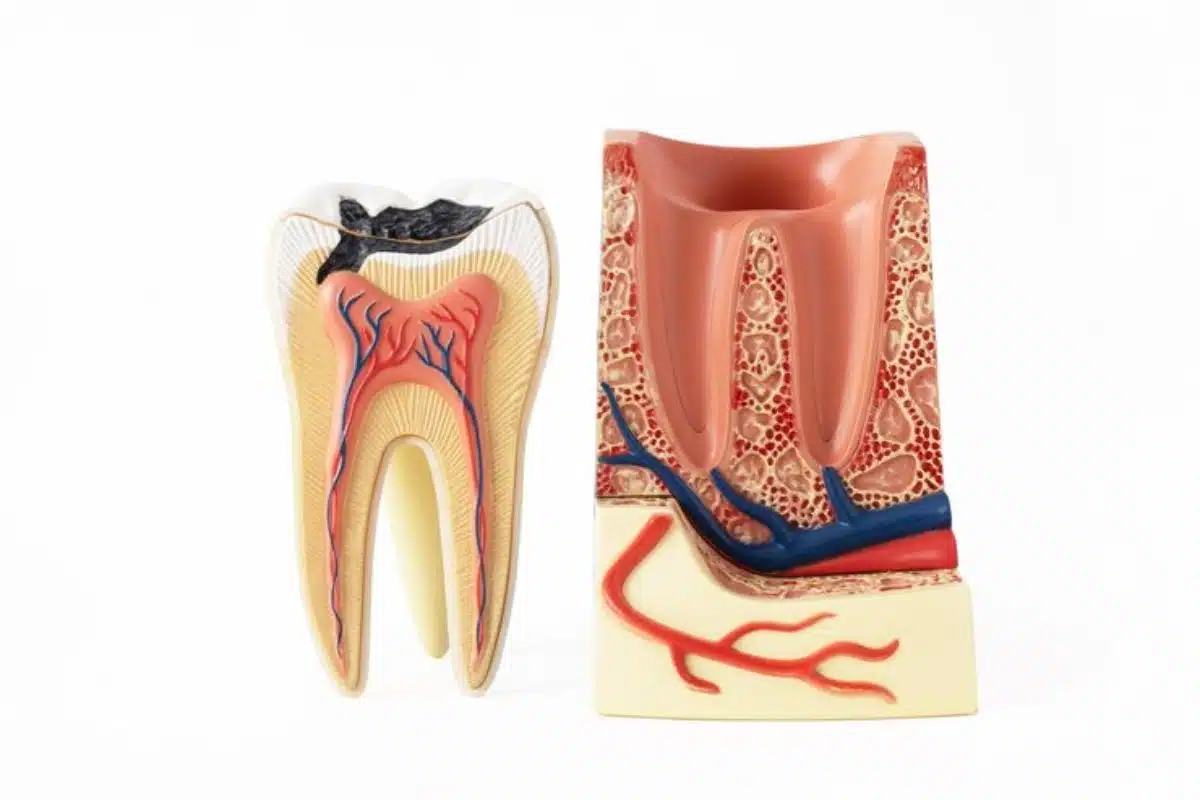
A root canal treatment is a dental procedure designed to save a tooth that is severely decayed or infected. The process involves removing the damaged pulp, cleaning the tooth’s interior, and sealing it to prevent further infection. This treatment can help preserve your natural tooth, avoiding the need for extraction and more extensive dental work.
Signs You Might Need a Root Canal
1. Persistent Pain
One of the most common indicators that you might need a root canal is persistent pain. If you experience a severe toothache that doesn’t go away, especially when eating or putting pressure on the tooth, it could be a sign of an infection in the pulp. The pain might also radiate to your jaw, face, or other teeth.
2. Sensitivity to Temperature
Increased sensitivity to hot or cold temperatures is another sign. If you feel a sharp pain when consuming hot coffee or ice cream, and the pain lingers long after you’ve finished eating, it may indicate damage to the tooth’s nerve.
3. Swollen Gums
Swelling and tenderness in the gums around a specific tooth can signal an underlying problem. Swollen gums might be a result of infection in the tooth’s pulp, leading to the need for root canal treatment. You may also notice a small bump or pimple on the gums near the affected tooth, known as a dental abscess.
4. Discoloration of the Tooth
A tooth that has become discolored, especially if it turns dark, might require a root canal. Discoloration often occurs due to damage to the tooth’s internal structure and can indicate that the pulp is infected or dead.
5. Prolonged Sensitivity
If your tooth remains sensitive long after receiving dental treatments like fillings or crowns, it might be a sign that the initial treatment was not sufficient, and the tooth’s nerve is still affected. This prolonged sensitivity is a strong indicator that a root canal might be necessary.
Causes of Tooth Pulp Damage
Understanding what leads to tooth pulp damage can help you take preventive measures. Common causes include:
1. Deep Decay: Cavities that are left untreated can penetrate deep into the tooth, reaching the pulp and causing infection.
2. Repeated Dental Procedures: Multiple procedures on the same tooth can cause stress and damage to the pulp.
3. Cracks or Chips: Cracks or chips in a tooth, whether from injury or wear and tear, can expose the pulp to bacteria.
4. Trauma: An injury to the tooth, even without visible cracks, can damage the pulp over time.
Process of Root Canal Treatment
Knowing what to expect during a root canal treatment can help alleviate some of the anxiety associated with it. Here’s a step-by-step overview of the process:
1. Consultation and X-rays
Your dentist will first conduct a thorough examination and take X-rays to assess the extent of the damage and confirm the need for a root canal.
2. Anesthesia
To ensure a comfortable experience, local anesthesia will be administered to numb the affected area.
3. Removing the Damaged Pulp
The dentist will create an opening in the tooth and carefully remove the damaged or infected pulp.
4. Cleaning and Disinfecting
The interior of the tooth will be meticulously cleaned and disinfected to remove any remaining bacteria and prevent future infection.
5. Filling and Sealing
Once the tooth is cleaned, it will be filled with a biocompatible material called gutta-percha and sealed with a temporary or permanent filling.
6. Restoration
In many cases, a crown is placed over the treated tooth to restore its strength and functionality. This step is essential for ensuring the tooth remains protected and functional.
Recognizing the signs that indicate you might need a root canal treatment is vital for maintaining optimal dental health. Persistent pain, sensitivity, swollen gums, and tooth discoloration are key indicators that you should consult your dentist. Root canal treatments are highly effective in relieving pain, saving natural teeth, and preventing further complications. If you suspect you need a root canal, don’t hesitate to seek professional dental care. Remember, timely intervention can make all the difference in preserving your smile and oral health.