Get Directions



Is a Night Guard Better Than a Retainer?
Choosing between a night guard and a retainer depends on your needs. A night guard protects against teeth grinding, while a retainer maintains tooth alignment. Our blog explores their differences, benefits, and helps you decide which is best for your dental health.
Maintaining oral health and addressing dental issues often involves using various dental appliances. Two commonly used devices are night guards and retainers. Both serve specific purposes, but how do you decide which one is right for you? In this blog, we’ll explore the differences between night guards and retainers, their benefits, and which might be better suited to your needs.
What is a Night Guard?
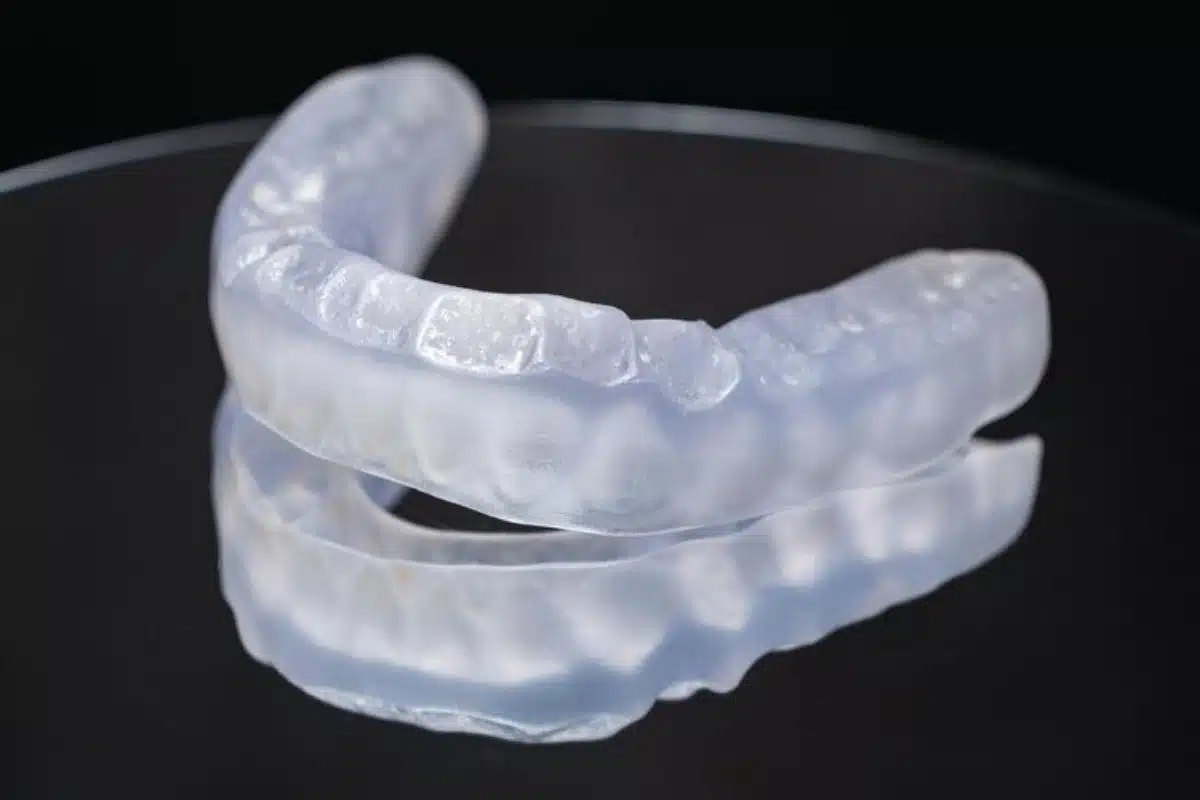
A night guard is a dental appliance designed to be worn over your teeth while you sleep. Its primary function is to protect your teeth from the damaging effects of bruxism, a condition characterized by grinding or clenching of the teeth during the night. Night guards are usually made of a durable, soft material that absorbs the impact of teeth grinding, reducing the risk of enamel wear, tooth fractures, and jaw pain.
Benefits of Night Guards
1. Prevents Tooth Damage: By providing a protective barrier between your upper and lower teeth, night guards help prevent the damage caused by grinding or clenching.
2. Reduces Jaw Pain: Many people who grind their teeth experience jaw pain or discomfort. A night guard can help alleviate these symptoms by reducing the pressure exerted on the jaw joints.
3. Prevents Headaches: Teeth grinding can lead to tension headaches. Wearing a night guard can reduce the frequency and severity of these headaches.
4. Protects Dental Work: For those with crowns, fillings, or other dental restorations, a night guard can protect these investments from damage caused by grinding.
What is a Retainer?
A retainer is a dental appliance typically used after orthodontic treatment to maintain the position of teeth. Retainers can be removable or fixed, and they help ensure that teeth do not shift back to their original positions after braces or aligners have been removed. They are generally made from clear plastic or a combination of metal and plastic, and they are designed to be worn regularly as prescribed by your orthodontist.
Benefits of Retainers
1. Maintains Tooth Position: Retainers are crucial for keeping teeth in their new, corrected positions after orthodontic treatment, ensuring long-term results.
2. Prevents Shifting: Without a retainer, teeth can gradually shift back to their previous positions, potentially undoing the results of your orthodontic treatment.
3. Custom Fit: Retainers are custom-made to fit the unique shape of your mouth, providing a comfortable and effective solution for maintaining tooth alignment.
4. Versatility: Retainers can be adjusted or replaced if needed, making them a flexible option for ongoing dental care.
Night Guard vs. Retainer: Key Differences
While both night guards and retainers are used to protect and maintain dental health, they serve different purposes and are suited to different needs:
Purpose: Night guards are designed to prevent damage from teeth grinding, while retainers are used to maintain tooth alignment after orthodontic treatment.
Use: Night guards are typically worn at night to protect against bruxism, whereas retainers are worn as prescribed, which could be during the day or night, depending on the treatment plan.
Material: Night guards are usually made from softer, more flexible materials to absorb impact, while retainers are often made from more rigid materials to maintain tooth position.
When to Choose a Night Guard?
If you experience symptoms of bruxism, such as worn tooth enamel, tooth sensitivity, or jaw pain, a night guard may be the right choice for you. A night guard can help protect your teeth from the damaging effects of grinding and reduce associated discomfort. It’s essential to consult with your dentist to determine if a night guard is appropriate for your condition.
When to Choose a Retainer?
If you’ve recently completed orthodontic treatment and want to ensure that your teeth remain in their corrected positions, a retainer is necessary. Retainers help maintain the results of your orthodontic work and prevent teeth from shifting back to their original positions. Your orthodontist will guide how often and how long you should wear your retainer.
Conclusion
Choosing between a night guard and a retainer depends on your specific dental needs. If you’re dealing with bruxism and need protection for your teeth while you sleep, a night guard is a valuable tool. On the other hand, if you’ve completed orthodontic treatment and want to maintain your newly aligned smile, a retainer is essential for long-term success.
Consult with your dentist or orthodontist to determine which appliance best suits your needs. Both night guards and retainers play crucial roles in maintaining oral health and protecting your smile.
For more personalized advice and to explore your options, contact your dental professional today.